- NEWS -
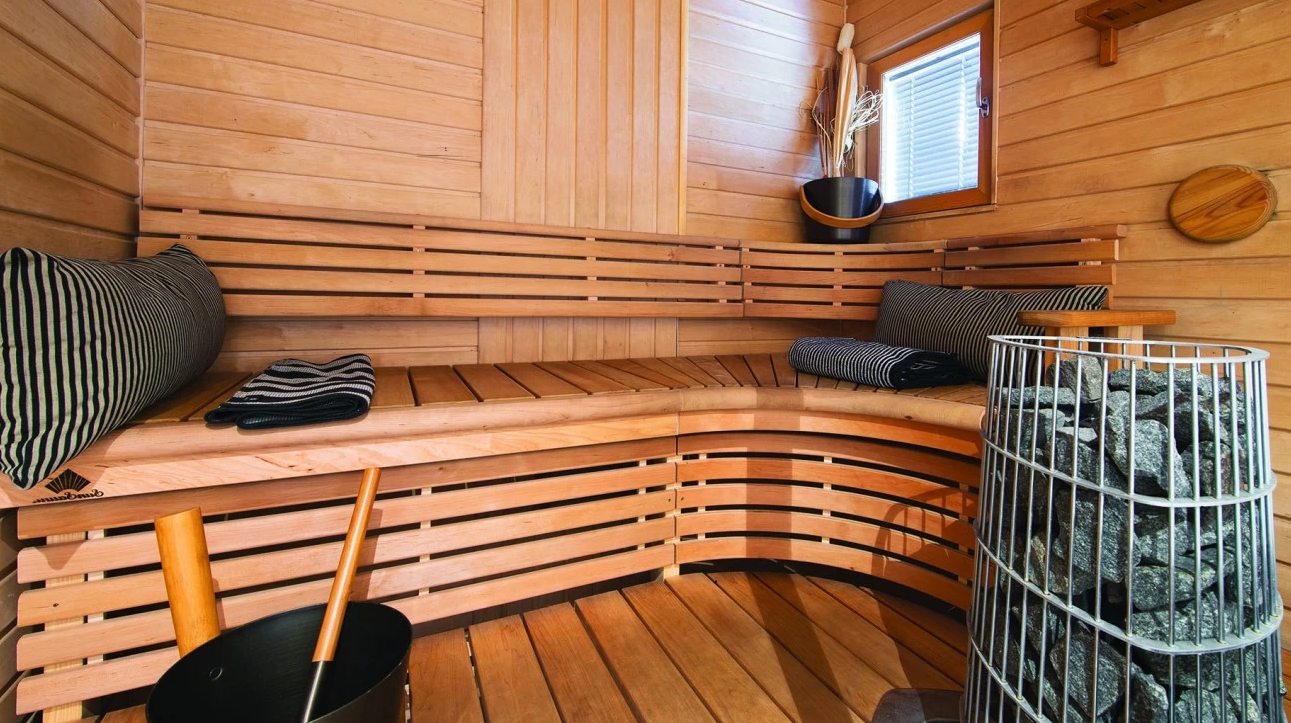
When it comes to pursuing physical and mental well-being and relaxation, a sauna offers the ultimate experience. Beyond the numerous health benefits it provides, a sauna also serves as a magnificent addition to an outdoor setting. Whether it offers warmth and comfort during cold weather or helps you unwind after a long day—soothing sore muscles, boosting circulation, and detoxifying the skin—the sauna is remarkably effective. Depending on your specific needs, various types of outdoor saunas offer unique advantages. Take a look at five of the most popular sauna types and discover what makes each one special:
1. Outdoor Infrared Sauna
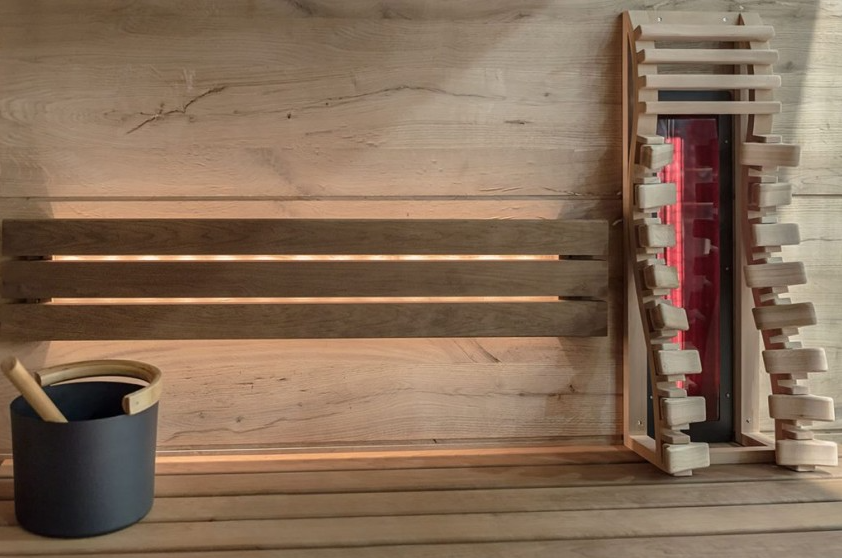
Infrared saunas (also known as heat therapy rooms) are equipped with infrared lamps that use electromagnetic radiation to heat the body. Unlike traditional saunas that heat the surrounding air, infrared
saunas heat the body directly. Many manufacturers claim that only 20% of the heat is transferred to the air, while the remaining 80% acts directly on the body.
Infrared saunas generally fall into two categories: far-infrared and near-infrared. Far-infrared saunas emit rays that primarily affect the surface of the body, whereas near-infrared lamps emit rays capable of
penetrating the skin and reaching several inches into the subcutaneous tissue. The benefits of using an outdoor infrared sauna include:
Infrared saunas operate at lower temperatures than steam saunas because they rely on lamps to heat the body directly rather than heating the surrounding air. This temperature range may be more tolerable
for individuals sensitive to high heat. While traditional saunas often exceed 185°F (approx. 85°C), infrared saunas typically operate between 120°F and 150°F (approx. 49°C and 66°C).
Infrared lamps focus on stimulating the body's sweating mechanism without generating humidity. Profuse sweating helps the body eliminate toxins and aids in weight loss.
Using an infrared sauna can be more cost-effective. For a single session, many outdoor sauna units (such as traditional steam models) require up to 6 kilowatts of power to heat and boil water, whereas
infrared saunas require only about 1.5 kilowatts to power the lamps. Using an infrared sauna helps improve blood circulation, relax sore muscles, alleviate joint pain, and promote both physical and mental
relaxation.
2. Outdoor Barrel Sauna
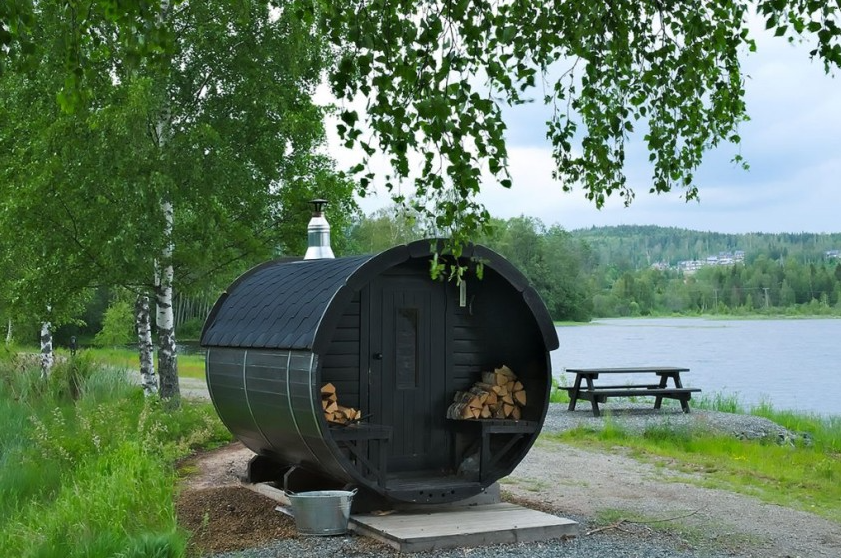
As the name suggests, a barrel sauna is a sauna facility installed outdoors—typically in a garden or patio—that resembles a giant wooden barrel. Barrel saunas gained popularity in the early 1970s, a time
when cedar hot tubs were also all the rage. Their design draws inspiration from centuries-old techniques used to craft wine and whiskey barrels. The structure allows hot air to circulate naturally throughout
the space, ensuring that the lower section of the barrel remains warm. While hot air tends to rise and pool at the ceiling in most "box-style" saunas, the rounded design of a barrel sauna envelops the bather
in warmth.
The advantages of using an outdoor barrel sauna include:
The circular design promotes even heat distribution, allowing the sauna to heat up faster than other types.
While high temperatures and steam often cause wood to expand and contract—potentially damaging standard structures—barrel saunas are specifically engineered to handle these fluctuations. The woodexpands and contracts within the confines of steel bands rather than relying on rigid fasteners like nails or screws, which significantly extends the sauna's lifespan.
Most barrel saunas are sold as DIY kits that are easy to assemble, requiring minimal carpentry skills. Additionally, they are low-maintenance and easy to care for.
3. Outdoor Home Sauna
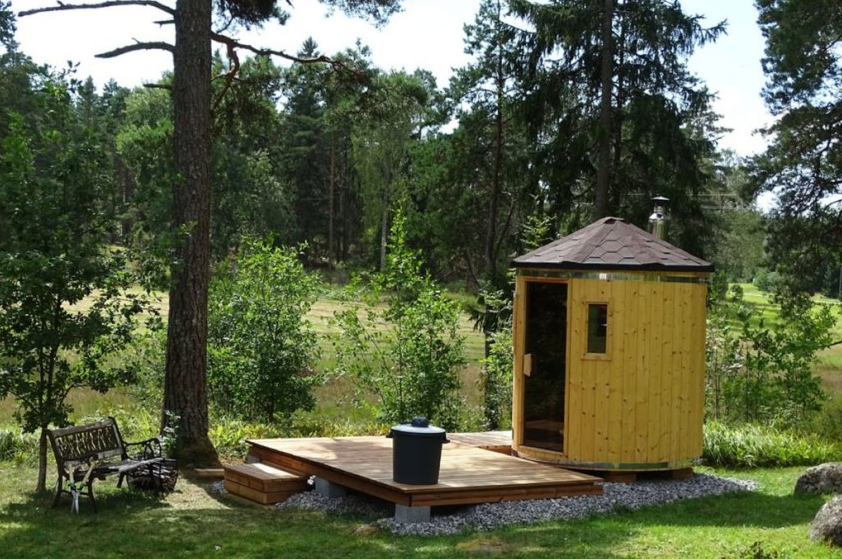
You can choose from various design options—such as building a small cabin or shed—and convert it into your own private sauna. You can build it from scratch, follow online blueprints, or purchase a
ready-made sauna kit. Most designs utilize concrete, timber, crushed stone, or piles for the foundation, while the main structure is typically constructed from wood.
The advantages of building an outdoor home sauna include:
A DIY project offers you complete creative freedom.
Using reclaimed materials allows you to effectively manage your budget.
This backyard retreat offers many of the same health benefits as other saunas.
4. Outdoor Steam Sauna
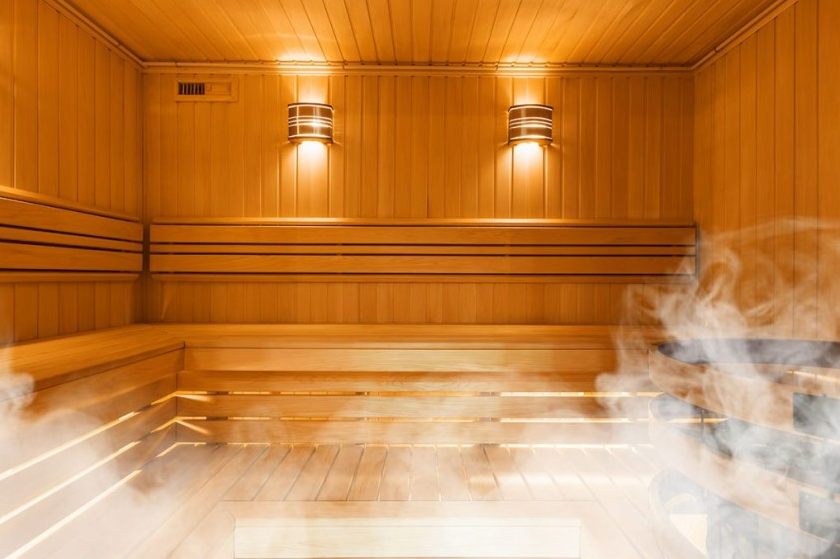
Steam saunas generate pressurized steam by heating water and releasing it into an enclosed space. The steam creates a hot, humid environment around the body; while the sensation resembles sweating, it is actually moisture condensing from the humid air. Steam saunas typically operate at temperatures between 110 and 120°F (approximately 43 to 49°C) with humidity levels reaching up to 100%.
Benefits of using an outdoor steam sauna include:
Steam helps clear the sinuses and relieve nasal congestion.
The heat opens pores and cleanses the skin.
It aids in muscle recovery and helps the body relax after exercise.
It helps soothe stiff joints and improve flexibility before a workout.
Sweat it out to your heart's content
Ultimately, relaxing in these outdoor saunas offers exceptional health benefits. A sauna session not only soothes muscles and flushes out toxins but also revitalizes your mind, restoring a sense of tranquility. Be sure to stay hydrated before and after your session. Enjoy this invigorating experience to the fullest!
RECOMMEND PRODUCTS
 Container Shop
 Modular ConstructionModular construction is an efficient, green, and flexible way of building by dividing a building into modules, with most of the construction done in a factory and then transported to the site for assembly.
 Modular Detachable 20Ft Portable Office Mobile Outdoor Tiny Container HouseA container house is a unique and innovative housing option that is made from repurposed shipping containers. These containers are typically 20ft or 40ft in length and can be customized to meet a variety of needs and preferences.
A typical container home consists of one or more containers that have been modified to include windows, doors, insulation, and other features that make them suitable for living. These modifications can be done off-site and then transported to the location where the home will be assembled. Double Wing Extension RoomDouble-wing expansion house is also called double-wing folding house, using galvanized high-strength square tube, galvanized angle iron and other light steel materials for the frame, anti-corrosion double-sided color steel composite panels for the wall, between the frame using high-strength hinges for linking up the house after scientific calculations, able to quickly expand the space of the house. Expanded house space is nearly 3 times larger than before unfolding. We can make 20 feet, 40 feet expansion house, also can be customized according to customer needs. It is a kind of house with high technical content among the living container houses.
 Site general movable board houseMovable board house is a kind of environmental protection and economic movable board house with color steel plate as the skeleton, sandwich plate as the enclosure material, space combination with standard modulus series, bolt connection of components, a new concept.