In summary
Choosing a double-wing expandable container house is suitable for scenarios that prioritize spatial flexibility, long-term user experience, and green energy efficiency, such as guesthouses, emergency disaster relief, and high-end offices. Although the initial investment is higher, the total life-cycle cost is lower, and the investment can be quickly recovered through space premiums (such as daily rental rates for guesthouses).
Choose a standard container house: suitable for basic needs with limited budgets and short-term use, such as construction site dormitories or temporary warehouses. Regular maintenance is necessary to extend its lifespan and avoid safety risks due to structural problems.
The dual-wing extended container house is transforming from a "temporary building" to a "semi-permanent residence." With technological iteration and policy support, its application in areas such as urban renewal and rural revitalization will be further deepened, redefining the value boundaries of modular buildings.
RECOMMEND PRODUCTS
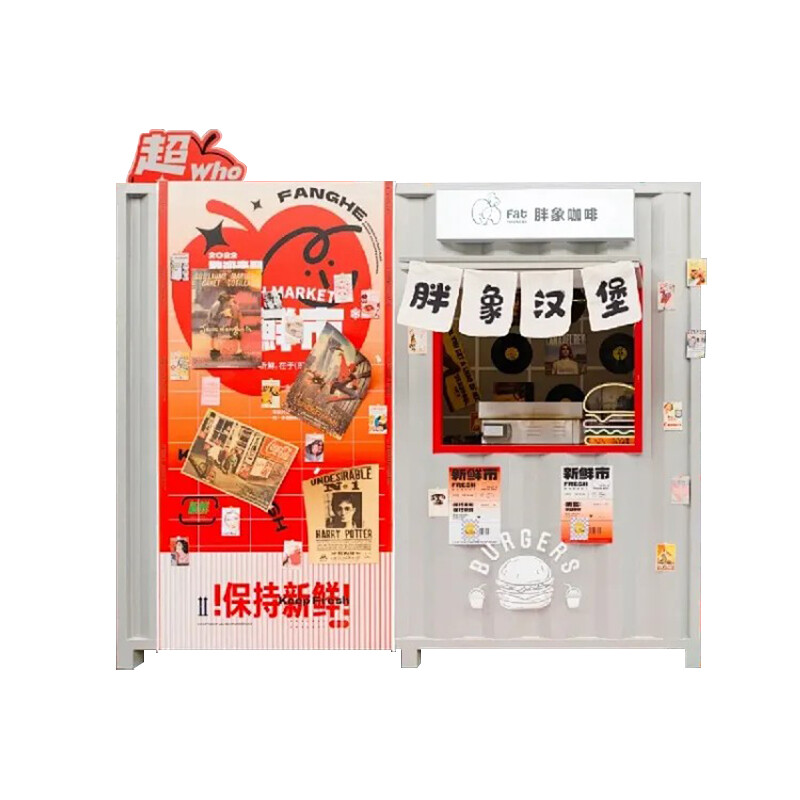
 Container Shop
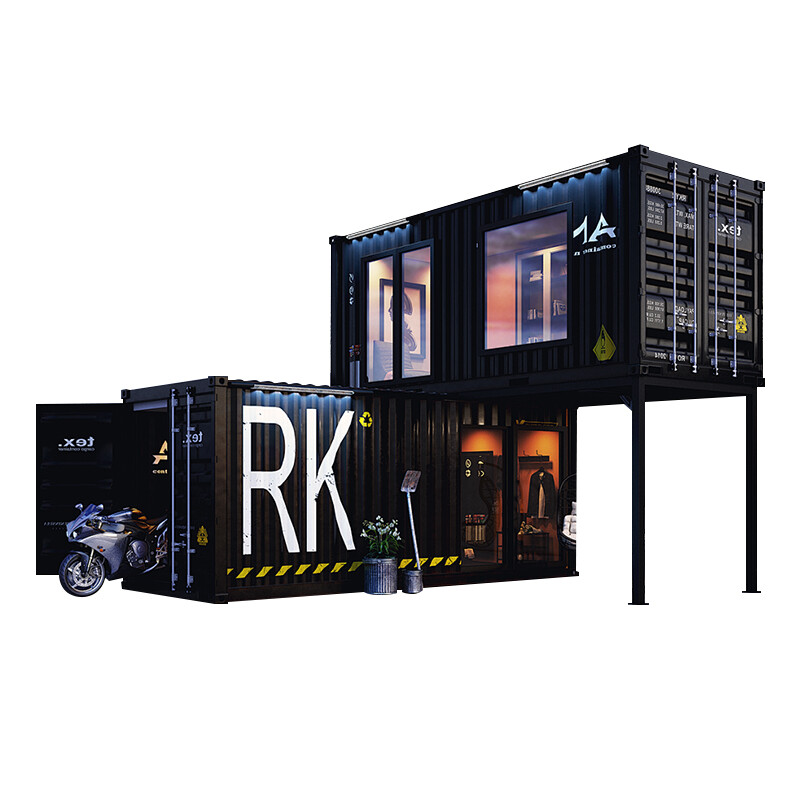
 Modular ConstructionModular construction is an efficient, green, and flexible way of building by dividing a building into modules, with most of the construction done in a factory and then transported to the site for assembly.
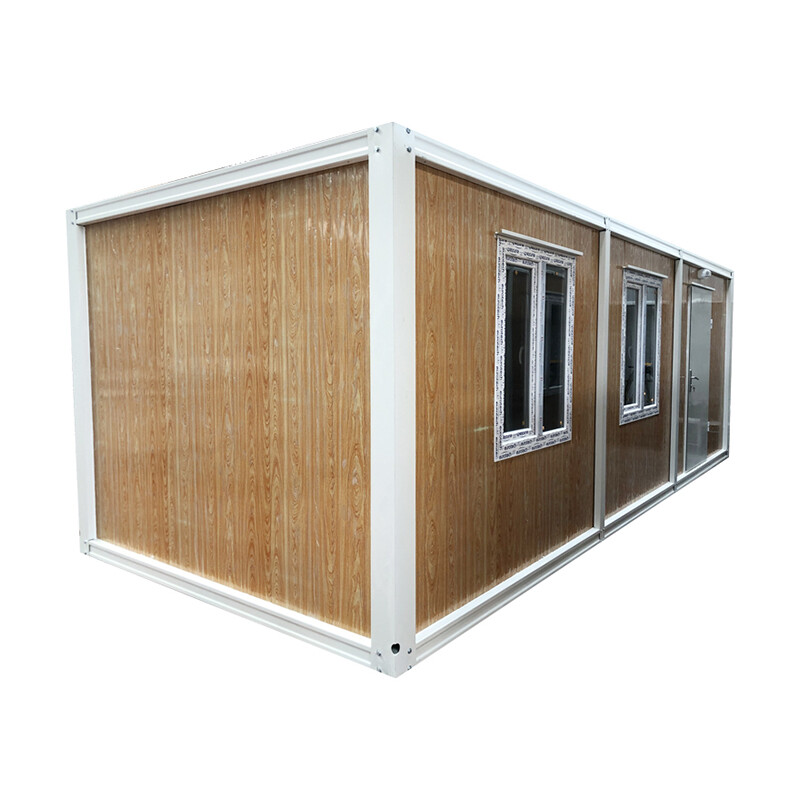
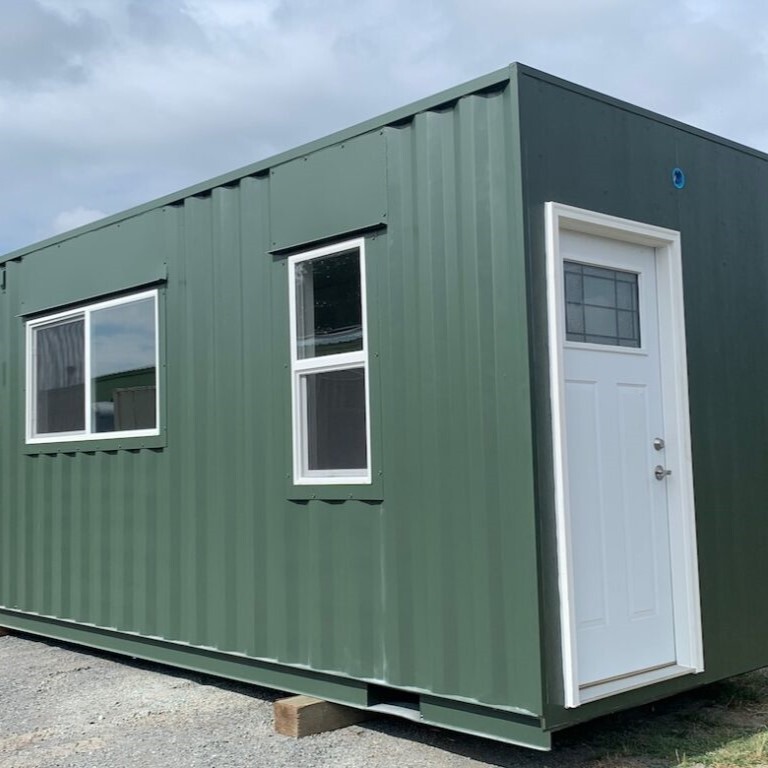
 Modular Detachable 20Ft Portable Office Mobile Outdoor Tiny Container HouseA container house is a unique and innovative housing option that is made from repurposed shipping containers. These containers are typically 20ft or 40ft in length and can be customized to meet a variety of needs and preferences.
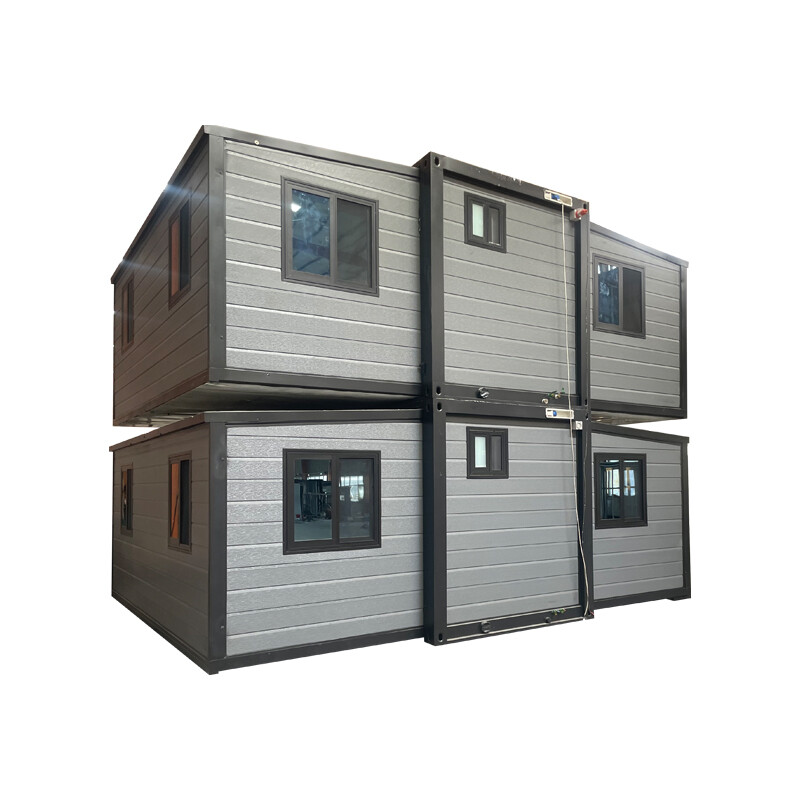
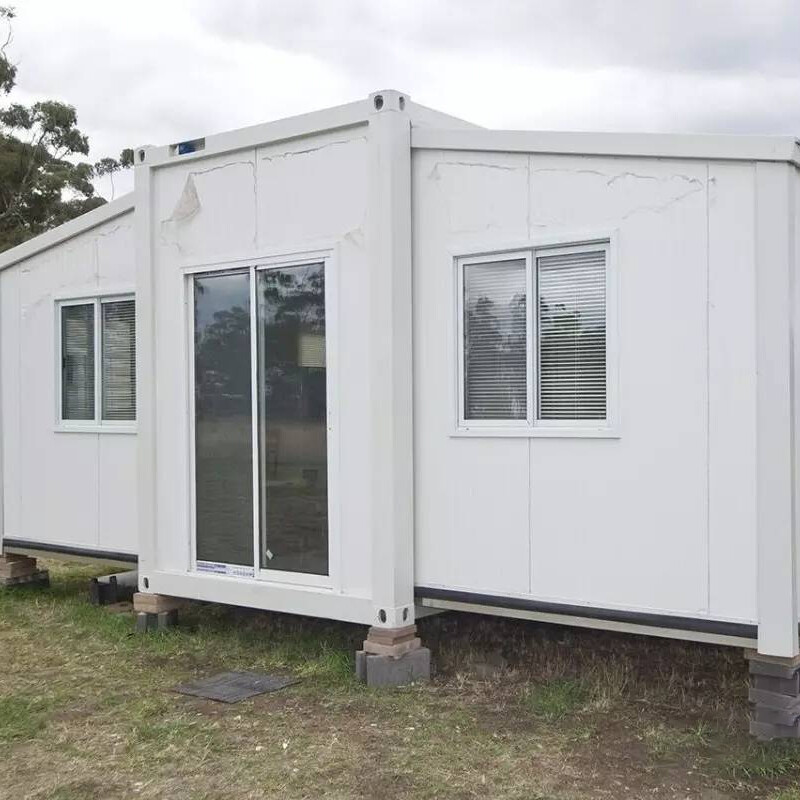
A typical container home consists of one or more containers that have been modified to include windows, doors, insulation, and other features that make them suitable for living. These modifications can be done off-site and then transported to the location where the home will be assembled. Double Wing Extension RoomDouble-wing expansion house is also called double-wing folding house, using galvanized high-strength square tube, galvanized angle iron and other light steel materials for the frame, anti-corrosion double-sided color steel composite panels for the wall, between the frame using high-strength hinges for linking up the house after scientific calculations, able to quickly expand the space of the house. Expanded house space is nearly 3 times larger than before unfolding. We can make 20 feet, 40 feet expansion house, also can be customized according to customer needs. It is a kind of house with high technical content among the living container houses.
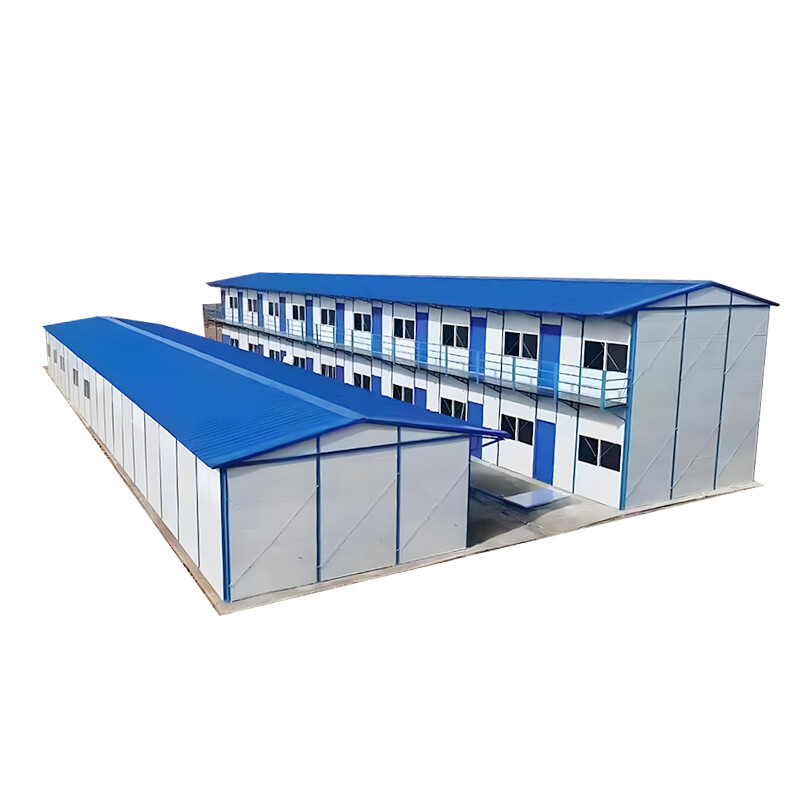
 Site general movable board houseMovable board house is a kind of environmental protection and economic movable board house with color steel plate as the skeleton, sandwich plate as the enclosure material, space combination with standard modulus series, bolt connection of components, a new concept.