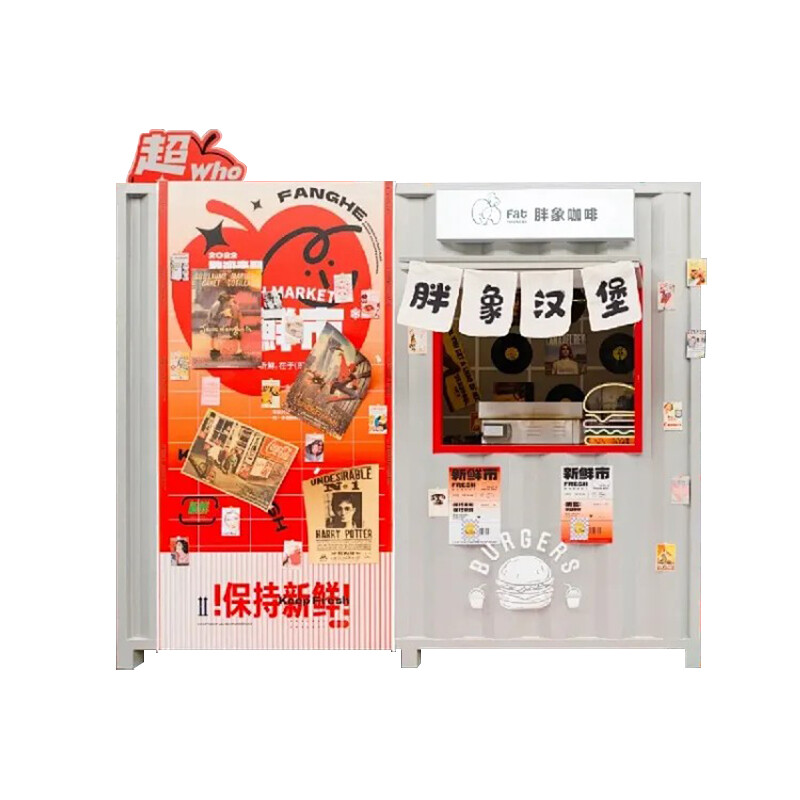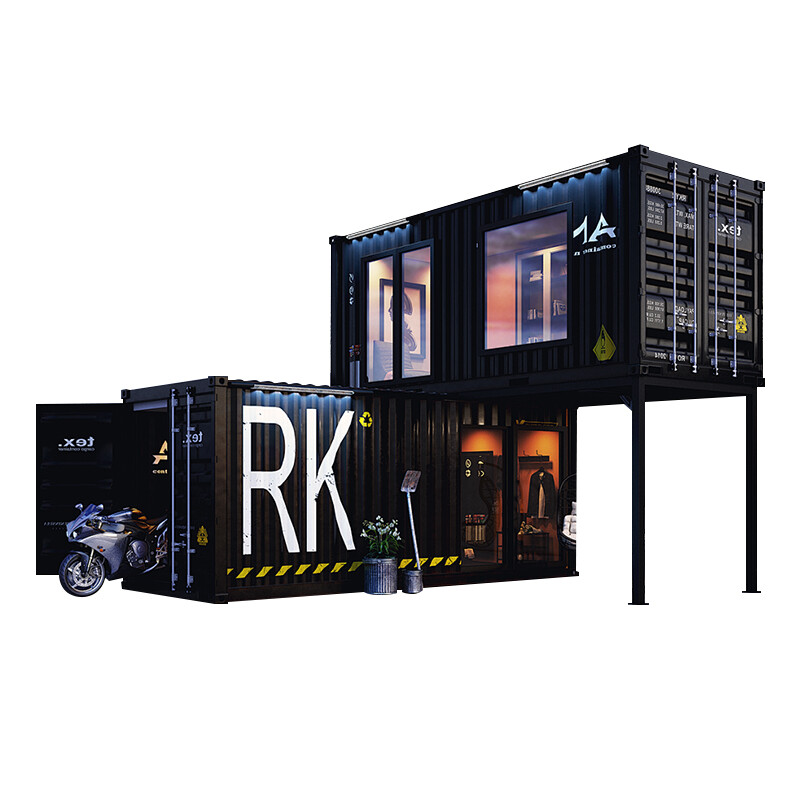
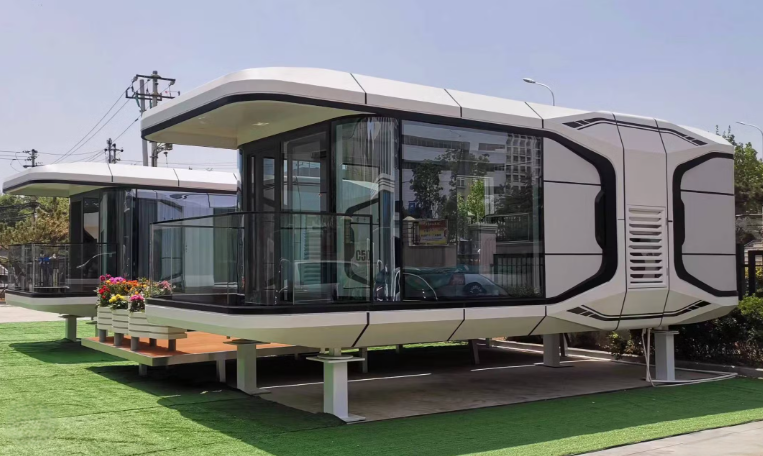
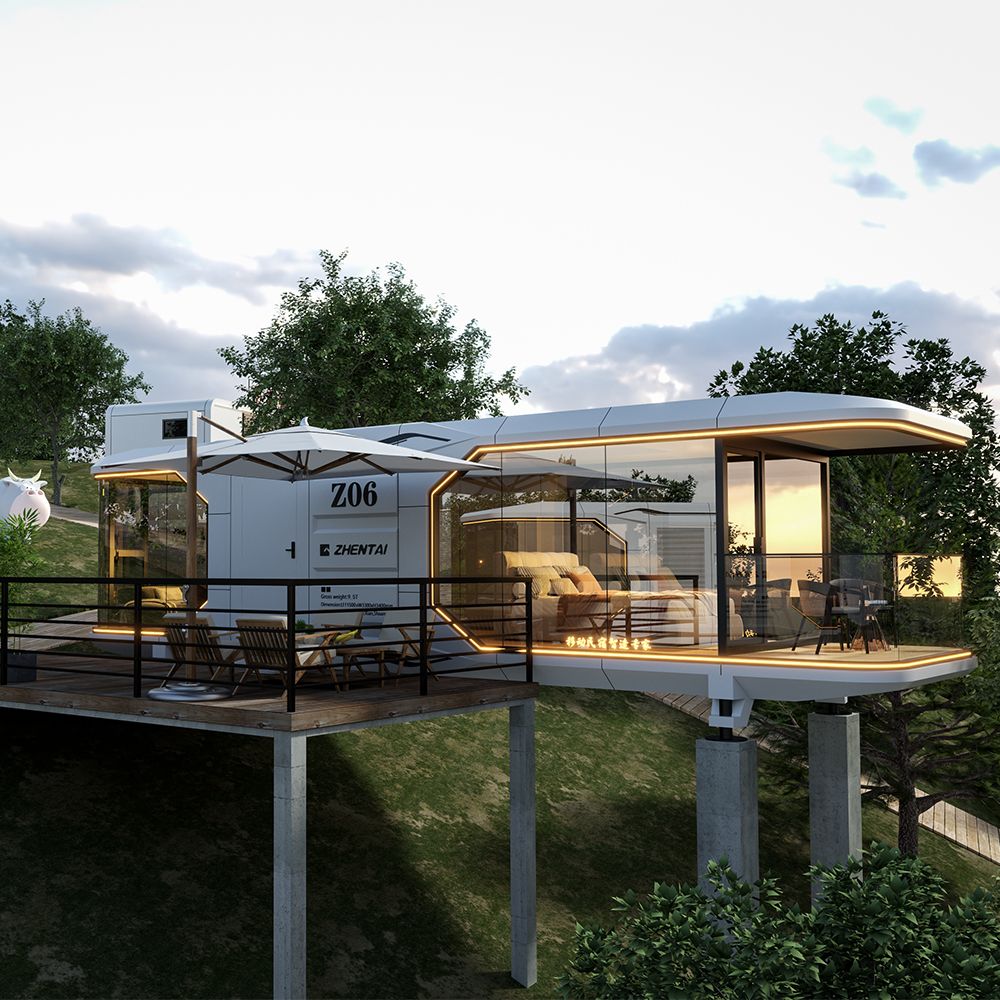
Luxury mobile homes show differences in "maturity and scenario orientation" at home and abroad: Europe and the United States are highly mature, focusing on "mobile lifestyle" and self-sustaining capabilities; China is in a period of rapid growth, focusing on "commercial scenario implementation" and cost-effectiveness.
Market and Consumption
Europe and the United States: RV/mobile travel culture is strong, with a high proportion of high-end, premium products, and users are willing to pay for "full ownership and high reliability."
China: Driven by cultural tourism and commercial applications, high-end personal consumption is on the rise.
Products and Design
Europe and the United States: Two clear paths emerge: the American-style "large space + strong self-sustaining" and the European-style "efficient small space," with a greater emphasis on functional integrity and long-term comfort.
China: While high-end models are rapidly approaching, mid- and low-end models still lag behind in material consistency, sealing, and validation for low temperatures and complex road conditions.
Water, Power, and Self-Sustainability
In Europe and the United States: Large-capacity water tanks, strong electrical systems, and centralized sewage systems are standard features, making them suitable for extended periods off the grid.
In China: Water and power are generally weak, with greater reliance on external water and electricity, limiting the off-grid experience.
Regulations and Infrastructure
In Europe and the United States: Road and campsite regulations are mature, supporting cross-regional travel.
In China: Regulations regarding mobile buildings/RVs are still being developed, and campsites lack adequate water, power, and sewage systems, hindering their promotion.
For high-end individual travel or long-term off-grid stays, consider established European and American solutions, focusing on self-sustaining water and electricity, insulation and sealing, and durability verification.
For cultural tourism/commercial applications, domestic modular pods offer rapid delivery and cost advantages, but these require either self-construction or collaboration with local operators to improve water, electricity, and sewage systems.
RECOMMEND PRODUCTS
 Container Shop
 Modular ConstructionModular construction is an efficient, green, and flexible way of building by dividing a building into modules, with most of the construction done in a factory and then transported to the site for assembly.
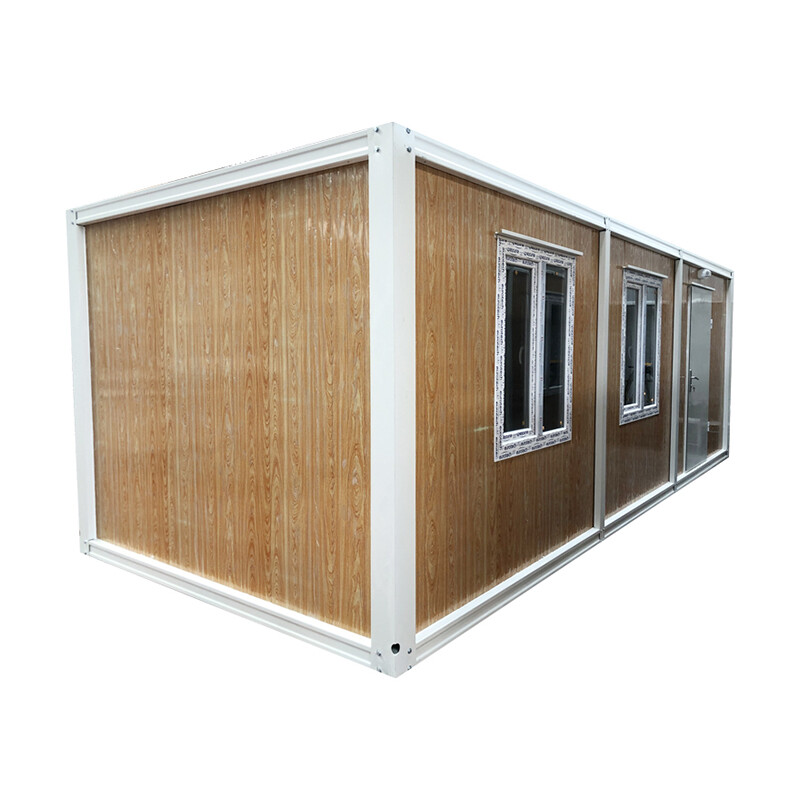
 Modular Detachable 20Ft Portable Office Mobile Outdoor Tiny Container HouseA container house is a unique and innovative housing option that is made from repurposed shipping containers. These containers are typically 20ft or 40ft in length and can be customized to meet a variety of needs and preferences.
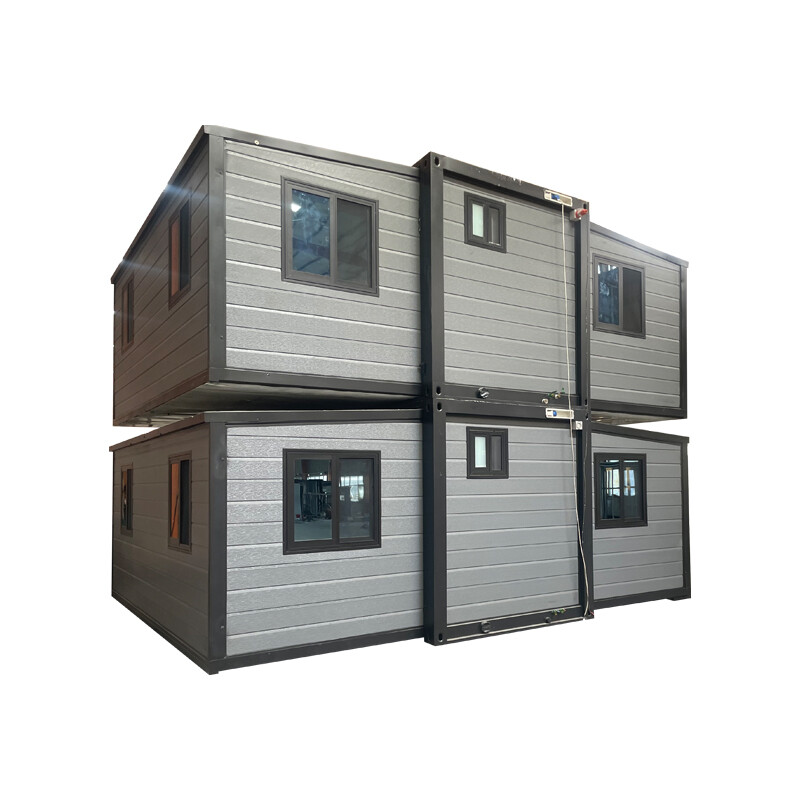
A typical container home consists of one or more containers that have been modified to include windows, doors, insulation, and other features that make them suitable for living. These modifications can be done off-site and then transported to the location where the home will be assembled. Double Wing Extension RoomDouble-wing expansion house is also called double-wing folding house, using galvanized high-strength square tube, galvanized angle iron and other light steel materials for the frame, anti-corrosion double-sided color steel composite panels for the wall, between the frame using high-strength hinges for linking up the house after scientific calculations, able to quickly expand the space of the house. Expanded house space is nearly 3 times larger than before unfolding. We can make 20 feet, 40 feet expansion house, also can be customized according to customer needs. It is a kind of house with high technical content among the living container houses.
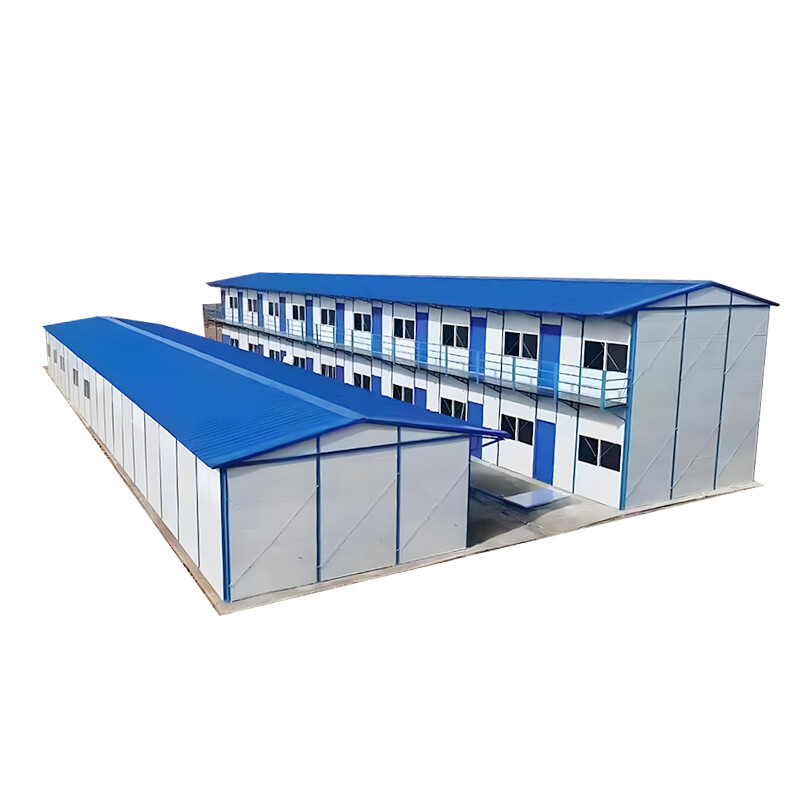
 Site general movable board houseMovable board house is a kind of environmental protection and economic movable board house with color steel plate as the skeleton, sandwich plate as the enclosure material, space combination with standard modulus series, bolt connection of components, a new concept.