 Can a tiny capsule house keep you warm in winter? Absolutely! Sounds incredible, right? With proper planning, it can be both comfortable and safe. This guide will teach you how to measure temperature, snow cover, and wind speed.
In addition, you will learn how to seal gaps, add insulation, protect pipes, upgrade windows, and how to deal with situations such as blizzards or power outages. Read on!
1. Planning for Your Cold Climate Environment
In this section, you will learn how to prepare your capsule home for cold weather. You will also learn about temperature, snowfall, and wind conditions. This will help you decide how to use the home, set comfort goals, estimate energy needs, create a budget, and prepare for emergencies.
Understand the local weather:
First, understanding the local weather is crucial for keeping your capsule home warm during the winter. Therefore, you should check the average minimum temperature in your area. This will help you
determine the insulation and heating capacity your home needs.
Check snow load: Second, check the snow load. This means how much snow your roof can withstand without damage. Furthermore, knowing this helps you determine if the roof structure needs additional reinforcement
or a steeper slope. Therefore, a stronger roof design can prevent bending and leaks during heavy snowfall.
Check wind direction: Next, check the wind direction where your home is located. If your capsule home is located in an open area or on a hillside, cold winds will carry away heat more quickly. In these areas, airtight sealing
and windproofing are especially important.
Determine usage type:
Then, you should decide how you plan to use your capsule home, whether it will be full-time or part-time. Homes for full-time occupancy require a continuous heating and ventilation system. On the
other hand, part-time facilities can use a lighter system, but it's still essential to prevent ductwork and the interior from freezing when unoccupied.
Set comfort goals:
You should set comfort goals as early as possible. This way, you can maintain an indoor temperature of around 18–22°C (64–72°F) and humidity between 30–45%. This balance keeps the interior warm,
prevents condensation, and avoids mold growth.
Estimate Energy Needs:
In addition, you should estimate your energy needs based on your local climate, house size, and target temperature. This will help you choose the appropriate heating system and insulation thickness.
Therefore, proper planning can save energy and reduce operating costs throughout the winter.
Develop a Budget:
Furthermore, carefully develop a budget. For example, budget for insulation, windows, baseboards, pipe protection, and backup power systems. Therefore, a clear budget ensures you don't miss any
important upgrades.
Make Smart Use of House Orientation:
In addition, consider the orientation of your house. South-facing windows can bring in sunlight and natural heat during the day. Meanwhile, nearby trees or fences can act as windbreaks, protecting your
house from cold winds.
Comply with Local Regulations:
Furthermore, don't forget to comply with local building codes and permit requirements. Furthermore, some regions have regulations regarding snow load, insulation, or electrical systems for mobile or
modular homes. Adhering to these regulations will help you ensure compliance and safety.
Develop an emergency plan:
Finally, develop an emergency plan. In addition, you should list contingency plans for situations such as power outages, blizzards, or frozen pipes. Prepare essential supplies such as a small generator,
blankets, and a first-aid kit.
This first step lays the foundation for all subsequent preparations for your winter home. Once the plans are in place, you can confidently begin sealing and insulating your capsule house.
2.Sealing and Insulating the Exterior Shell
You've already learned how to plan your home setup for cold climates, which helps you understand what's needed for a capsule house to stay warm. Now, you'll learn how to seal and insulate the
exterior shell to maintain indoor temperature and prevent cold air from entering.
Seal All Gaps:
First, prevent cold air from entering the room. Even small holes allow heat to escape. Therefore, carefully check all small openings near pipes, wiring, doors, windows, and vents. This will keep the room
warm and save energy.
Prioritize Roof and Floor Insulation:
Second, keep the roof and floor warm by adding extra insulation. Furthermore, in small homes, heat easily escapes through the roof and floor. Therefore, use thick insulation. This will keep your home
comfortable and reduce heating costs.
Inspect Seams and Service Areas:
Finally, ensure all corners and edges are properly sealed. Additionally, you should check around appliance areas and service openings to prevent cold air from entering. This will allow your heating system
to work better and prevent cold spots in your home.
3. Install Insulated Baseboards and Underfloor Insulation
Now that you understand how to seal and insulate to keep your capsule home warm, you'll learn how to protect the space beneath the house.
To block cold air, install a barrier around the base frame of the house. Use sturdy insulation panels. Additionally, leave access panels and drainage channels for easy inspection of pipes and water quality.
Also, ensure all edges are sealed tightly.
Cold air and small animals can enter through gaps under the house. Sealing the edges helps keep the interior warm and prevents pests. It also protects pipes and water pipes from freezing.
Baseboards and underfloor insulation prevent water pipes from freezing in winter. Therefore, this prevents pipes from freezing and keeps the interior comfortable
4. Prevent Pipes from Freezing
As you know, installing undercovers can improve the insulation of your home. Now, you'll learn how to protect your water pipes and plumbing system during the winter.
Even small pipes can freeze without protection. Therefore, you should wrap all exposed pipes and valves with heating tape or insulation material. This insulation also helps retain heat when the pipes and
valves are cold.
If water flows outdoors, use a dedicated heating hose. It prevents the water from freezing. Furthermore, it prevents the water inside the outdoor pipe insulation layer from freezing. Therefore, you can still
safely access water even in freezing weather.
If you are leaving the house for an extended period, turn off the water supply, drain the water from the pipes, and add RV-specific antifreeze to the traps. This will prevent pipes from freezing and water
damage, ensuring your plumbing system is safe throughout the winter.
5. Upgrade Windows and Control Humidity As you already know, protecting your plumbing ensures safe water use during winter. Now, you'll learn how to keep your windows warm and control humidity in your capsule room.
Use double-glazed or low-emissivity (Low-E) windows and install weatherstripping around the window frames. This will also prevent cold air from entering and warm air from escaping. Using thermal curtains
will further enhance the effect. If possible, turn on a small bathroom exhaust fan periodically or use a heat recovery ventilation (HRV) system.
This will remove excess moisture from cooking, showering, and wet clothes. Therefore, always make sure to adopt some simple daily habits. For example, cover pots and pans while cooking and dry wet
clothes or equipment before bringing them indoors. This will prevent dampness and mold growth.
6. Choose a Heating System Suitable for Sub-Zero Temperatures
As you know, keeping windows warm and controlling humidity keeps your home comfortable. Now, you'll learn how to choose a heating system that works even in freezing weather.
You can choose a small split-type air conditioner or a heating system that operates at freezing temperatures. Also, some heating systems will stop working when it gets too cold, so carefully check the
product specifications.
Additionally, add small radiant panels or space heaters to rooms that need extra warmth. This way, every corner of your home will have a comfortable temperature. You should also test carbon monoxide
and smoke detectors and install leak or freeze sensors near the pipes.
Furthermore, this ensures your safety while providing efficient heating. Choosing the right heating system will keep your capsule home warm, safe, and comfortable, even when it's freezing outside.7. Roof, Snow, and Power Outage Preparation
As you know, choosing the right heating system can keep your home warm and safe.
Now, you will learn how to maintain your roof, handle snow accumulation, and prepare for a power outage.
Check your roof: First, a sturdy roof prevents leaks and damage caused by snow accumulation. Additionally, you should check your roof before winter storms arrive. Therefore, you should inspect the roof's fasteners, seals,
and panels to ensure nothing is loose or damaged. This will ensure your home stays dry and safe during the winter.
Plan snow removal:
Next, prepare for safe snow removal. Additionally, use shovels, roof rakes, or hire help to prevent snow from becoming too thick and forming ice dams. Clearing snow can prevent roof damage and dangerous
ice dam problems.
Prepare for power outages: Finally, preparing for power outages is crucial. Therefore, it's essential to have surge protectors, small generators, or spare batteries on hand. Also, prepare essentials such as blankets, flashlights, and first-aid
kits. This will ensure your home is safe and comfortable even during storms or power outages.
8. Conclusion
In short, proper winter insulation measures for your capsule apartment will ensure a warm and safe living environment. In addition, seal any gaps, add insulation, and protect the pipes. Upgrade your windows and prepare for snowfall and power outages. Therefore, by following these steps, you can save energy, prevent damage, and enjoy a comfortable and worry-free winter.
Shandong Zhonghao specializes in capsule apartments designed for cold climates. Contact us today to learn more and make your home comfortable throughout the winter.
RECOMMEND PRODUCTS
 Container Shop
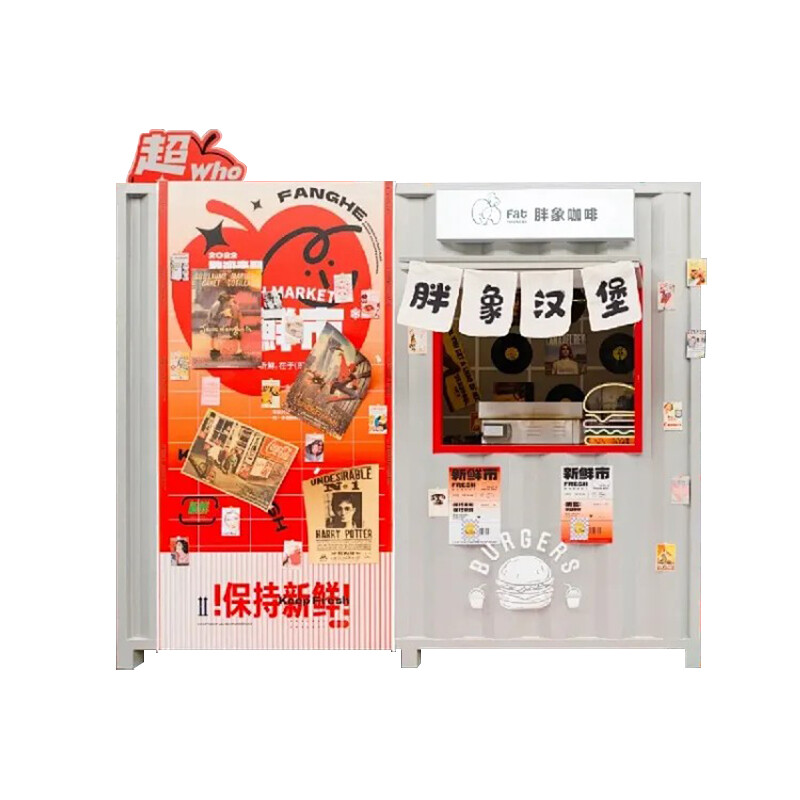
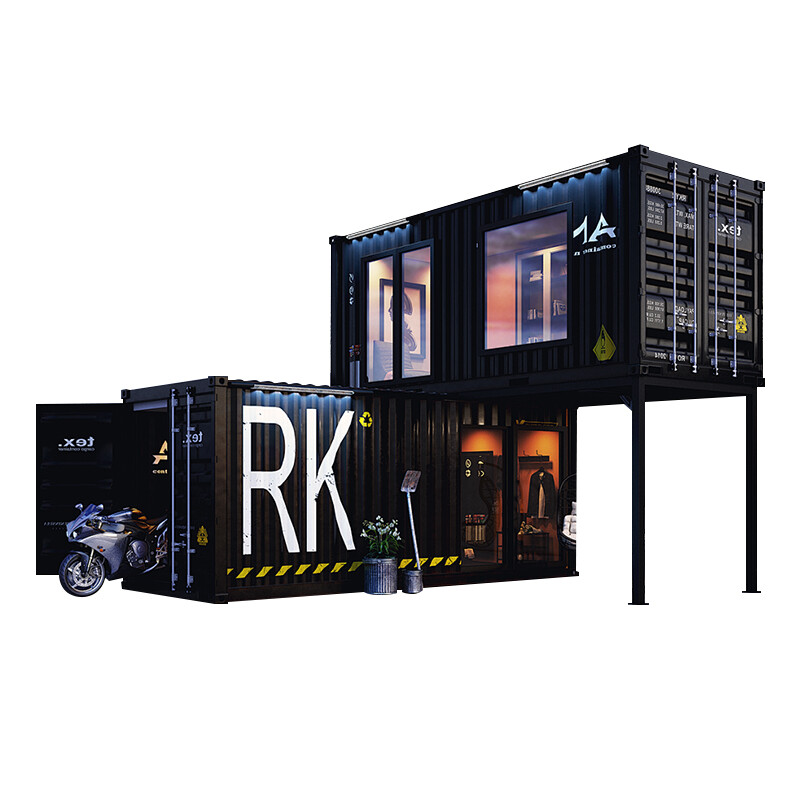
 Modular ConstructionModular construction is an efficient, green, and flexible way of building by dividing a building into modules, with most of the construction done in a factory and then transported to the site for assembly.
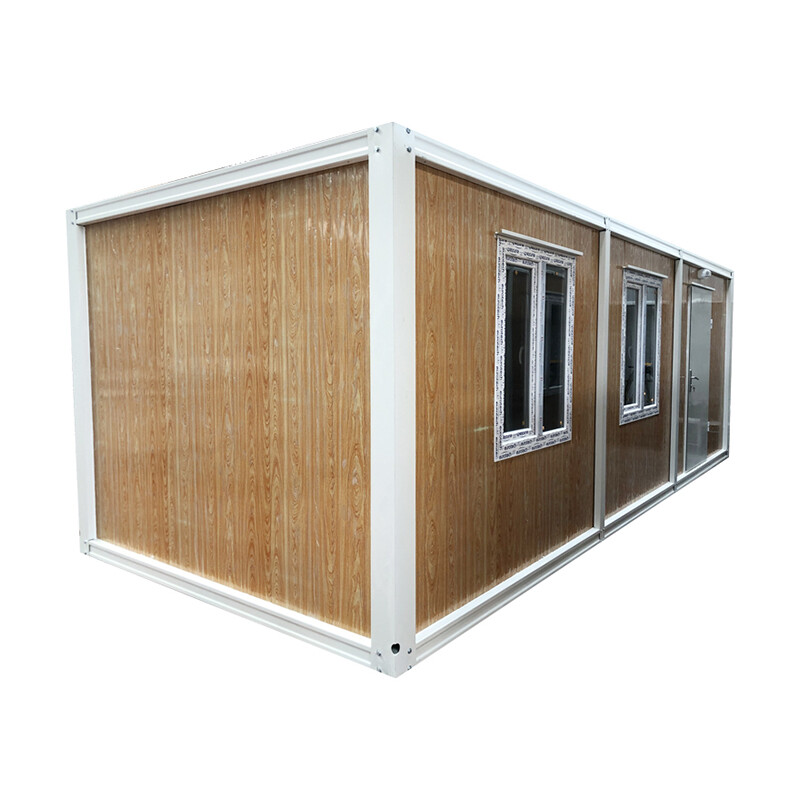
 Modular Detachable 20Ft Portable Office Mobile Outdoor Tiny Container HouseA container house is a unique and innovative housing option that is made from repurposed shipping containers. These containers are typically 20ft or 40ft in length and can be customized to meet a variety of needs and preferences.
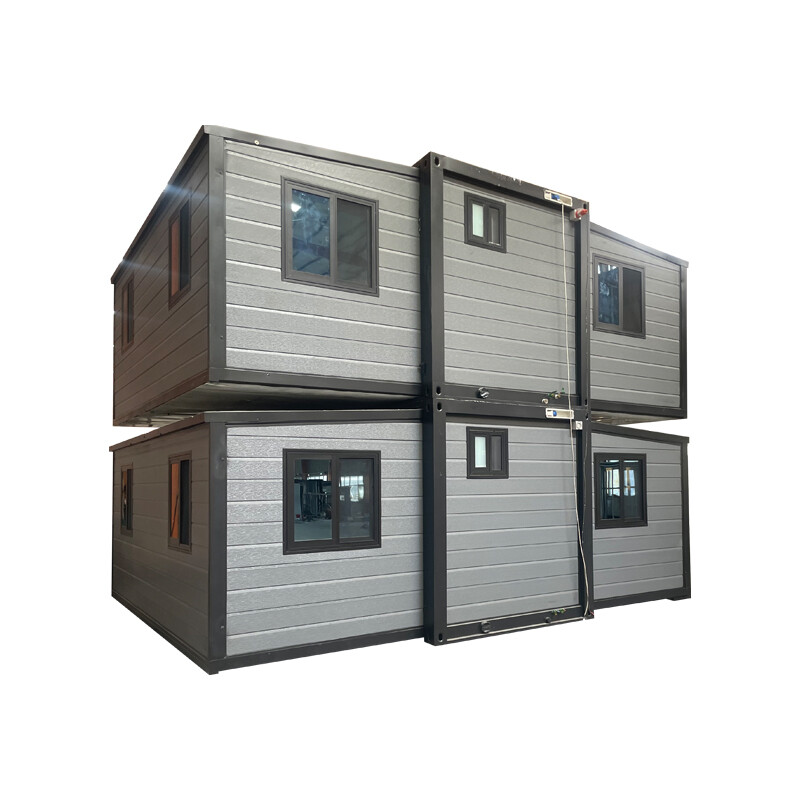
A typical container home consists of one or more containers that have been modified to include windows, doors, insulation, and other features that make them suitable for living. These modifications can be done off-site and then transported to the location where the home will be assembled. Double Wing Extension RoomDouble-wing expansion house is also called double-wing folding house, using galvanized high-strength square tube, galvanized angle iron and other light steel materials for the frame, anti-corrosion double-sided color steel composite panels for the wall, between the frame using high-strength hinges for linking up the house after scientific calculations, able to quickly expand the space of the house. Expanded house space is nearly 3 times larger than before unfolding. We can make 20 feet, 40 feet expansion house, also can be customized according to customer needs. It is a kind of house with high technical content among the living container houses.
 Site general movable board houseMovable board house is a kind of environmental protection and economic movable board house with color steel plate as the skeleton, sandwich plate as the enclosure material, space combination with standard modulus series, bolt connection of components, a new concept.