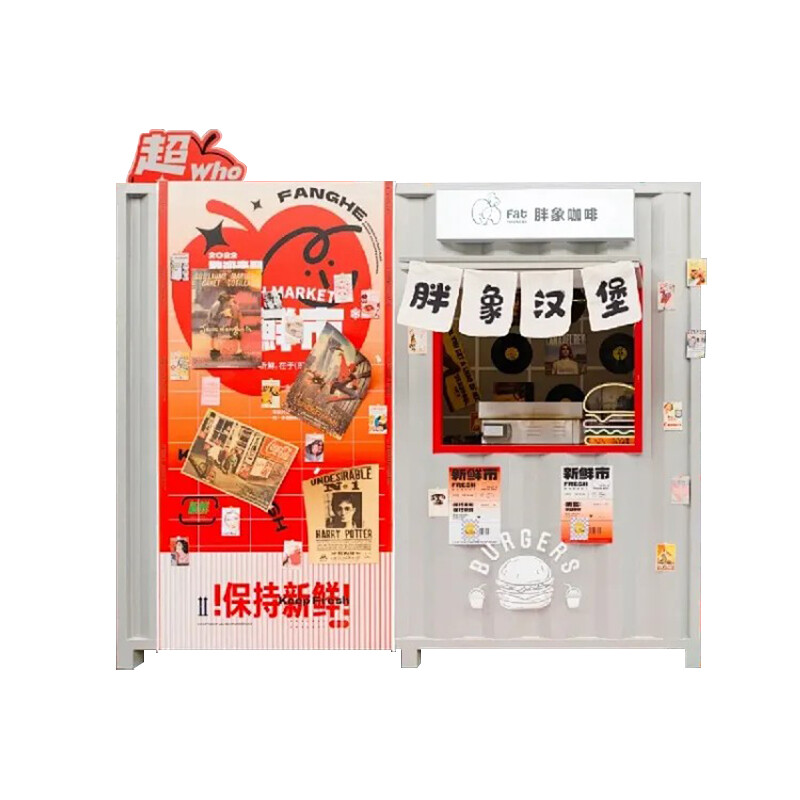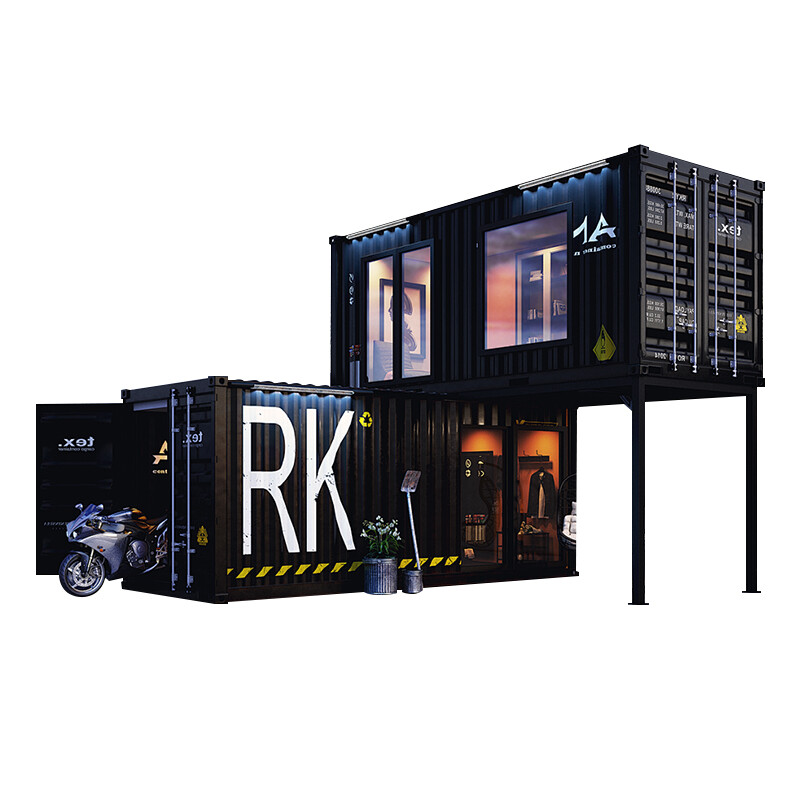
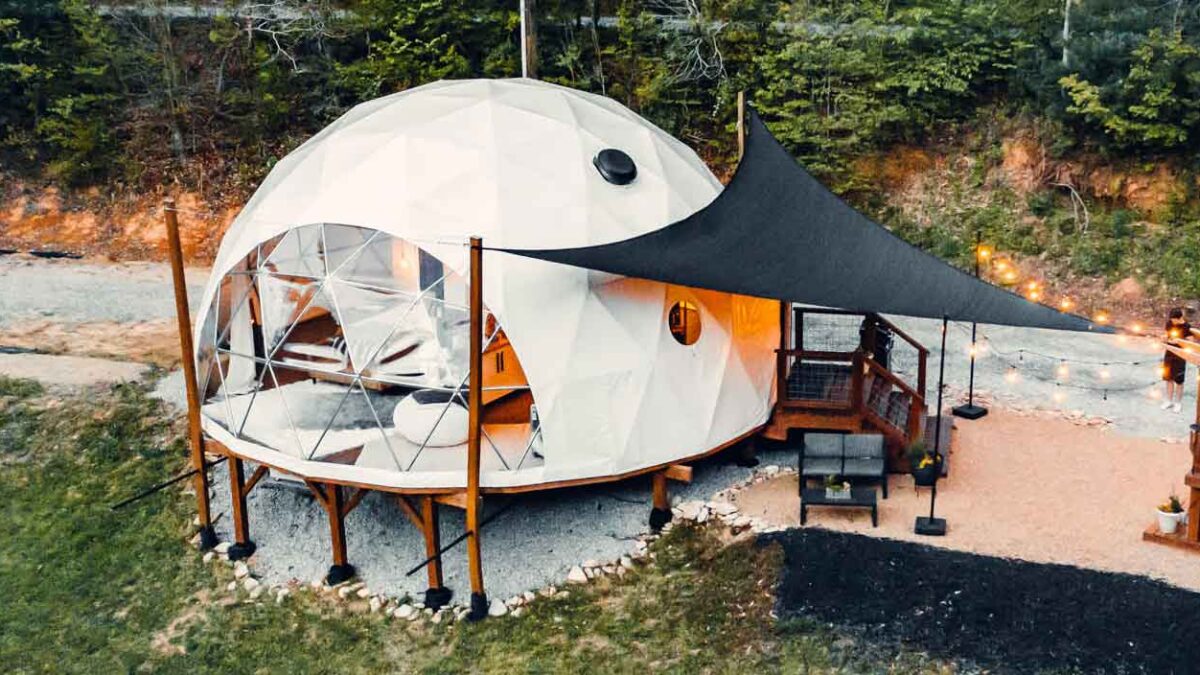
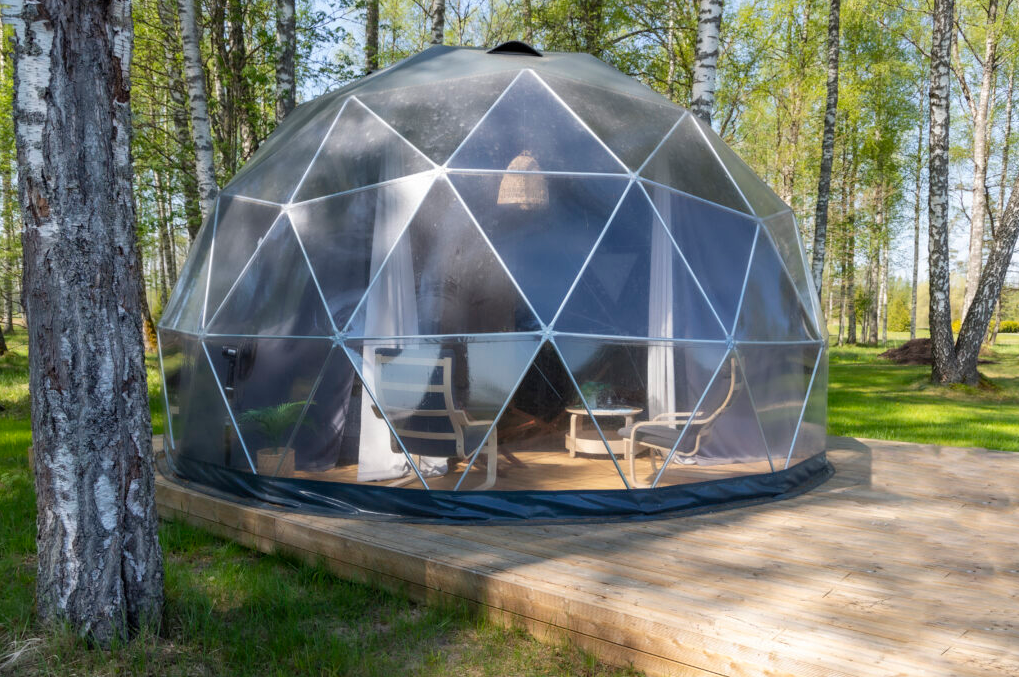
Experience eco-friendly dome camping and embark on an unforgettable adventure! Create your dream sustainable resort today!
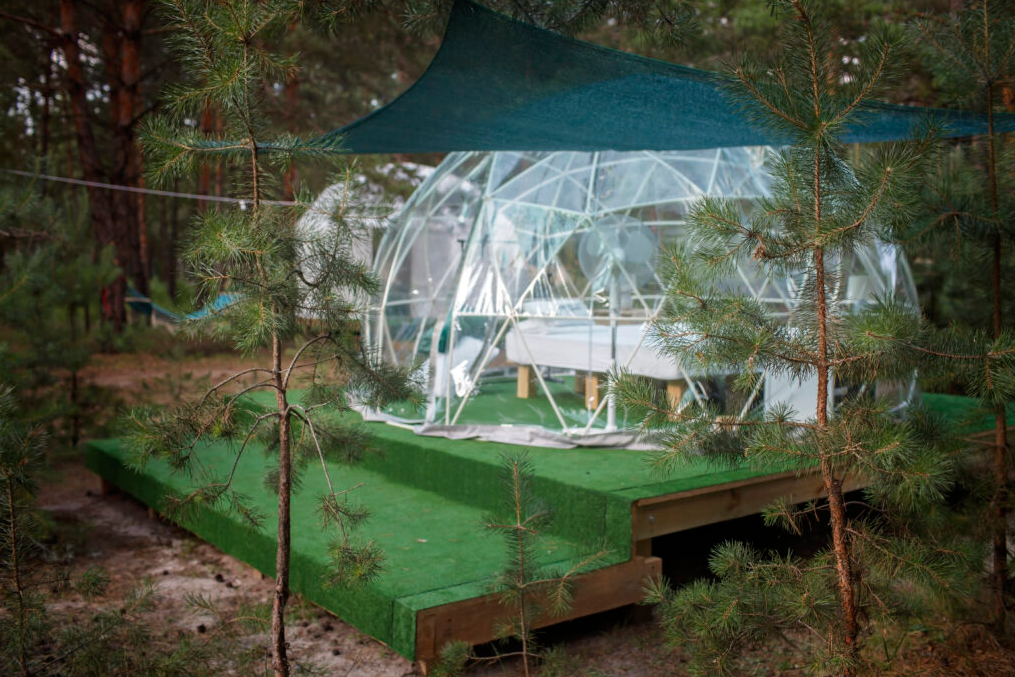
Eco-friendly dome camping perfectly blends sustainable design with an immersive luxury camping experience. Choosing a circular structure means drawing inspiration from centuries of architectural
principles that balance form and function. From the Navajo Hockan to the modern spherical dome, these shapes maximize living space with minimal surface area. This efficiency translates to lower material
consumption, typically saving up to 30% more material than rectangular buildings, and reducing cold spots.
Have you ever wondered how to stand out in the luxury camping market while protecting the planet? This guide provides practical tips to help you plan, build, and market a dome camping resort that guests
rave about and that has a minimal impact on the environment.
Planning Your Resort
Choose the right location to set the tone for your eco-resort. Look for plots with minimal deforestation, convenient water access, and natural landscapes. Utilize existing greenery instead of cutting down
trees. A well-planned dome location balances habitat protection and guest privacy.
Next, create a master plan that centralizes the domes around amenities, reception, restaurants, and spa areas, allowing guests to interact freely without disturbing sensitive areas. You'll also need to plan
pathways and boardwalks to guide visitors through the landscape while minimizing disturbance to wildlife.
Site Elements
* Water source for pipes, rainwater harvesting, or natural springs
* Gentle slopes for drainage, avoiding floodplains
* Buffer zones between domes for privacy and noise control
Choosing a Dome Design
Dome designs come in a wide variety of styles, from classic spherical frames to novel capsule-like structures. Below is a brief introduction to five popular dome styles:
Each design has its own unique cost, labor, and performance characteristics. Domes are highly praised for their architectural aesthetics and energy efficiency. Monolithic domes excel in storm
resistance—the Federal Emergency Management Agency (FEMA) designates them as safe locations in tornado and hurricane areas. Sandbag and aerated concrete domes are ideal for affordable DIY projects.
Capsule cabins lead the way in modular luxury. They are pre-assembled and then assembled on-site. Dome camping also benefits from these flexible designs.
Sourcing Sustainable Materials
The environmental performance of a dome depends on the sensible selection of materials. The framing and supporting structure should ideally use recycled steel or certified timber. For cladding materials,
consider:
* Insulation panels made from recycled wood and cellulose
* Breathable membranes that allow moisture to escape
* Non-toxic sealants and coatings
Choosing local suppliers reduces transportation emissions. Materials should be labeled and transported along designated routes to reduce handling and the number of trucks on narrow jungle roads. This
strategy ensures a smooth installation and minimizes environmental impact.
Insulation and Ventilation
Good insulation determines living comfort. A well-insulated dome requires only about 30 kWh per square meter per year for heating and hot water, far lower than conventional buildings. Combined with
passive ventilation—such as roof vents or operable bay windows—utilizing natural airflow, you can reduce energy costs and provide guests with fresh, odor-free air.
Ensuring Guest Comfort
Luxury and environmental sustainability are not mutually exclusive. Thoughtfully designed interiors and panoramic views create an unforgettable stay. Here's how to make your guests feel comfortable and
at ease:
1. Floor-to-ceiling windows
Open large windows to stunning views. Guests love stargazing in a warm and comfortable environment.
2. Modular furniture
Use lightweight, multi-functional furniture—such as footstools with storage, folding desks, or convertible sofas.
3. Separate wet and dry bathrooms
Separate shower and toilet areas speed up cleaning and prevent moisture buildup.
Small details—such as hooks behind the door (for hanging coats) or solar-powered wireless lights—reflect your commitment to both convenience and environmental responsibility. Dome cabin camping
accommodations perfectly blend all these concepts.
Integrate Renewable Energy
To fulfill your environmental commitment, power your facilities using on-site renewable energy sources. Solar panels on nearby supports can meet your needs for lighting, hot water, and charging stations.
If your mountain resort has favorable wind conditions, small wind turbines can also supplement the microgrid.
Collect rainwater through roof gutters for toilet flushing and irrigation. For waste, composting toilets or bio-digestion tanks allow you to process organic matter on-site. Your guests will gain a unique
learning experience, while you can significantly reduce wastewater treatment costs.
Promote Your Website
You've created a sustainable haven—now let more people know! Highlight your eco-friendly practices and guest experience. For example:
Showcase your tree conservation program and low-impact installation videos
Offer virtual tours of your furnished dome tents with photos of sunrises and starry skies
Publish guest reviews of their comfortable experience in extreme weather—for example, your Patagonian eco-camp operates normally in winds up to 250 km/h
On social media, leverage hashtags like luxury camping and ecotourism. Partner with travel bloggers to reach adventure enthusiasts. Don't forget to contact green travel agencies and corporate vacation
planners directly.
In conclusion
Eco-friendly dome camping cabins offer durability, efficiency, and guest satisfaction, making them a perfect choice. From circular geometries that significantly reduce material consumption to modular
cabins ready to use, a wide range of options is available to suit your budget and vision. By carefully planning and integrating renewable energy, you will create a resort that stands out in the booming luxury
camping market.
RECOMMEND PRODUCTS
 Container Shop
 Modular ConstructionModular construction is an efficient, green, and flexible way of building by dividing a building into modules, with most of the construction done in a factory and then transported to the site for assembly.
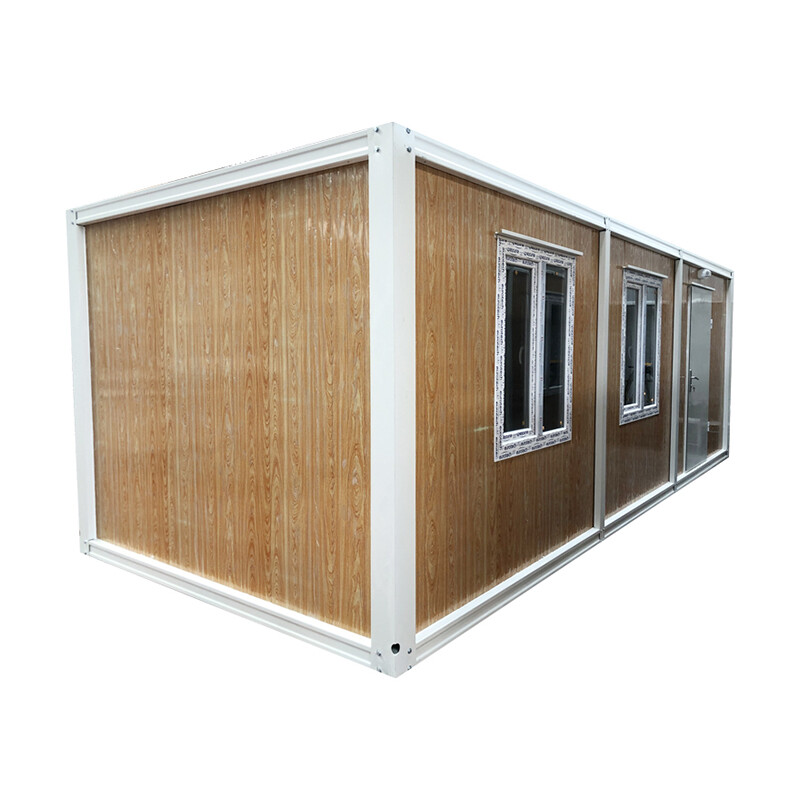
 Modular Detachable 20Ft Portable Office Mobile Outdoor Tiny Container HouseA container house is a unique and innovative housing option that is made from repurposed shipping containers. These containers are typically 20ft or 40ft in length and can be customized to meet a variety of needs and preferences.
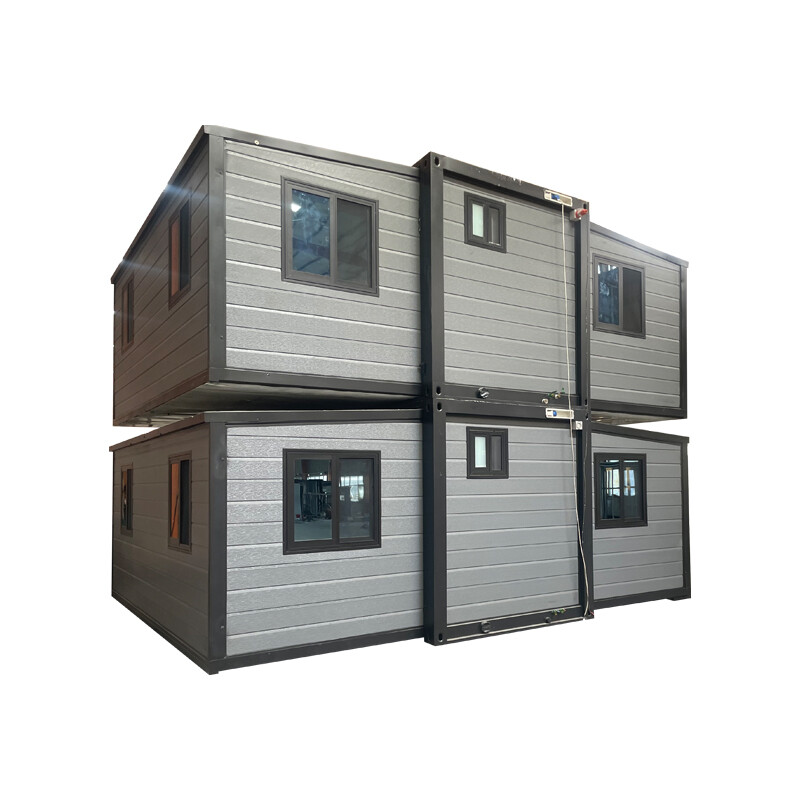
A typical container home consists of one or more containers that have been modified to include windows, doors, insulation, and other features that make them suitable for living. These modifications can be done off-site and then transported to the location where the home will be assembled. Double Wing Extension RoomDouble-wing expansion house is also called double-wing folding house, using galvanized high-strength square tube, galvanized angle iron and other light steel materials for the frame, anti-corrosion double-sided color steel composite panels for the wall, between the frame using high-strength hinges for linking up the house after scientific calculations, able to quickly expand the space of the house. Expanded house space is nearly 3 times larger than before unfolding. We can make 20 feet, 40 feet expansion house, also can be customized according to customer needs. It is a kind of house with high technical content among the living container houses.
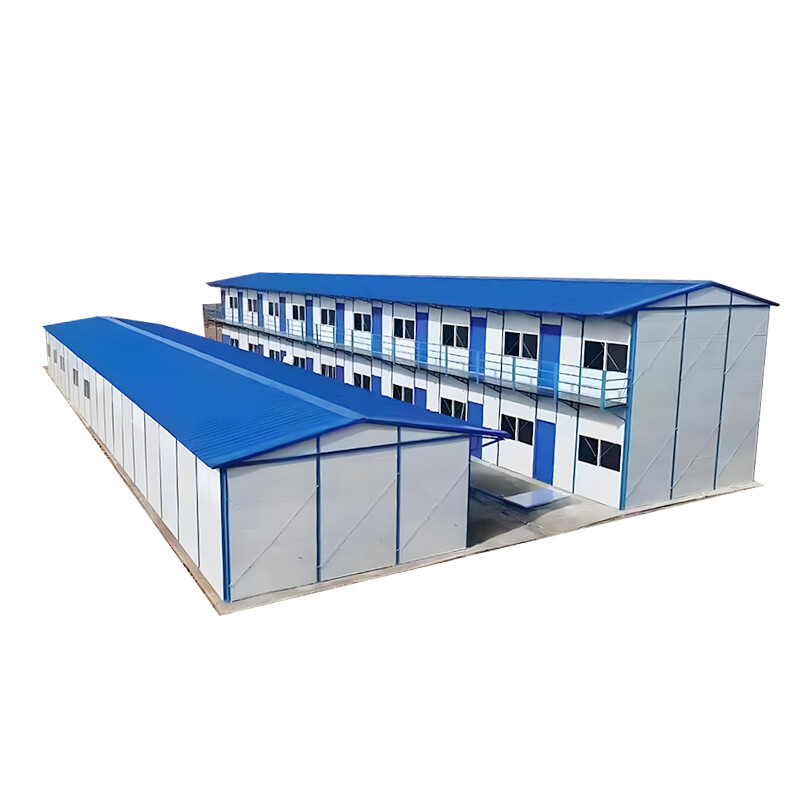
 Site general movable board houseMovable board house is a kind of environmental protection and economic movable board house with color steel plate as the skeleton, sandwich plate as the enclosure material, space combination with standard modulus series, bolt connection of components, a new concept.