- NEWS -
Stacking folding container houses isn’t something most people think about until they plan to build more than one level. But once you start designing your space, the idea of going higher becomes hard to ignore. After all, stacking could double your living area without using extra land. Still, it raises big questions like—Can these folding houses be stacked? Can these stackable container houses actually handle the weight? These questions make sense because stacking decides how much space you can build upward and how stable your structure will be.
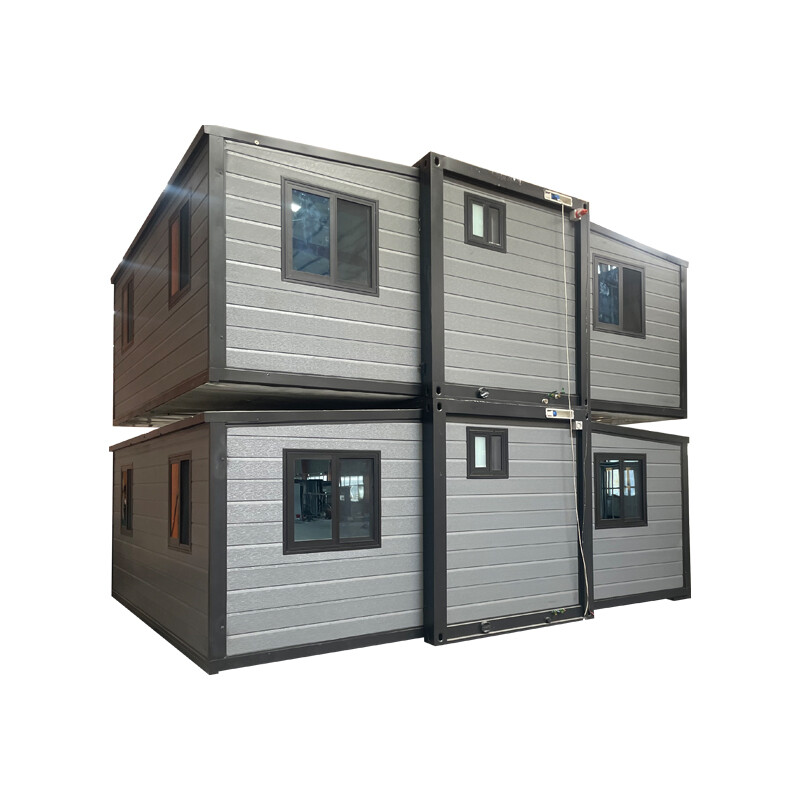
You can stack folding container houses by crane then bolt together and seal them for weather-proofing. But like any building, their strength depends on the frame, alignment, connectors and foundation. And with the right setup, a folding container house can be stable like a regular modular home.
In this article, you’ll learn how stacking actually works, how many levels are safe, what load limits you should respect and what other steps you need to follow. Let’s start.
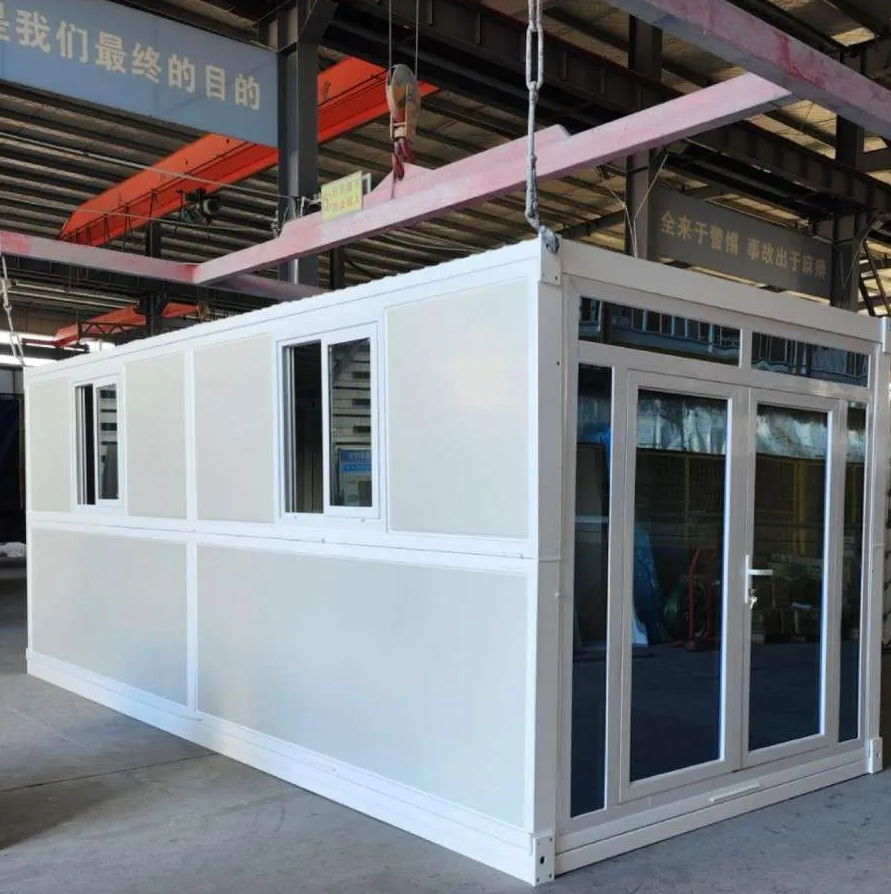
When you unfold a container house, its hinged panels swing out and lock into position. The hinge in the center breaks the vertical steel frame during transport, so the structure must be reconnected.
Then after unfolding, you need to rebuild the load path by installing the corner posts and connectors. And as you align the corners and tighten the twist-locks or bolts, the stacked container houses form one continuous support system. In fact, the weight from the top flows through corner posts down to the bottom. You have to make sure that corner castings match perfectly and all locking pins engage.
Moreover, keep in mind that the foldable design limits height: almost all manufacturers specify a maximum of two floors as standard, with three floors only as a special case. But practically, you should avoid four or more levels on these foldable container models.
The factory packing list, for example, clearly says “Number Of Layers ≤ X layers”.
Thus, the stacking works by unhinging each model and bolting the corners together to recreate a continuous frame. But because of the hinge, it is safest to stay at two stories in normal cases.
Maximum number of levels
By default, foldable container modules are rated for two floors on standard specs and normal sites. For example: Glamin’s 40-foot X folding container house lists “Number Of Layers ≤ 2 layers”. Thisclearly means under normal specifications, you should build no higher than two levels. You can go to three levels only with strong planning. That basically means using thicker steel members,beefier columns, extra cross bracing and stamped engineering calculations.
In any case, the foundation needs to be rock solid. Your chosen site for a container house “must be a firm, like even foundation… to avoid misalignment that could weaken the build’s safety”.
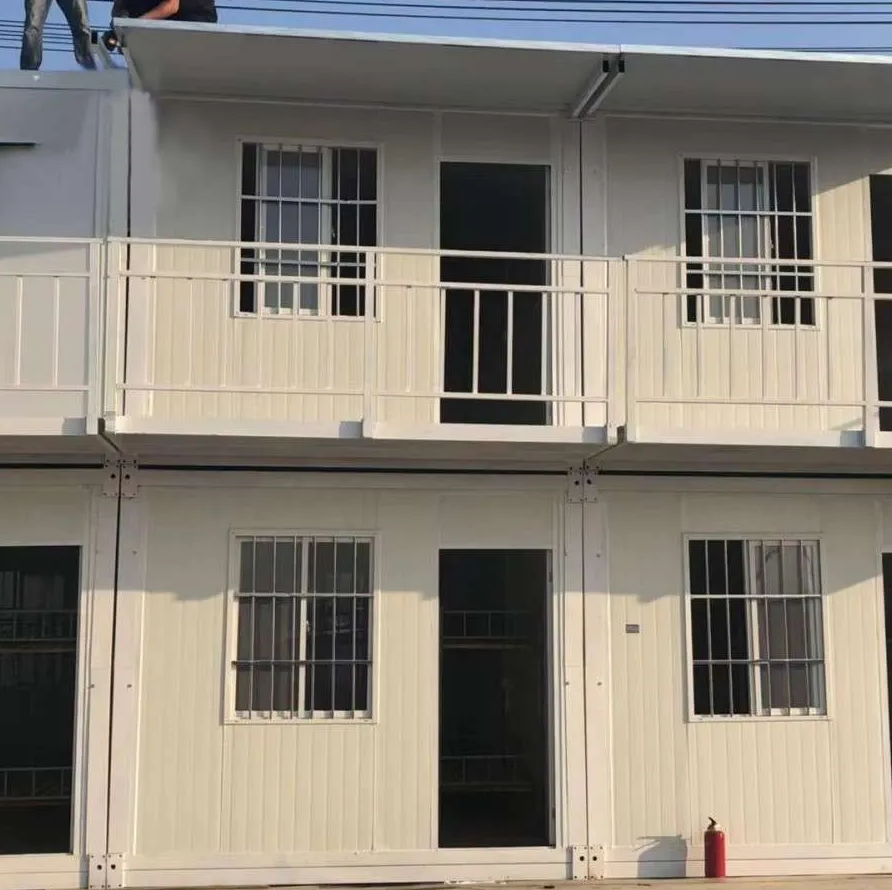
Once a container house is set, you can use temporary bracing props to hold it in place while you secure it. When bolting the floors together, connect all connectors thoroughly. Like, locking pins or twist lock fittings should be rotated and locked between each stacked model. Also, double check the torque on every structural bolt so joints are tight.
Finally, seal everything for weather-proofing. In other words, inspect all roof seams, flashing, and wall joints. And apply sealant or rubber gaskets at each corner and joint.
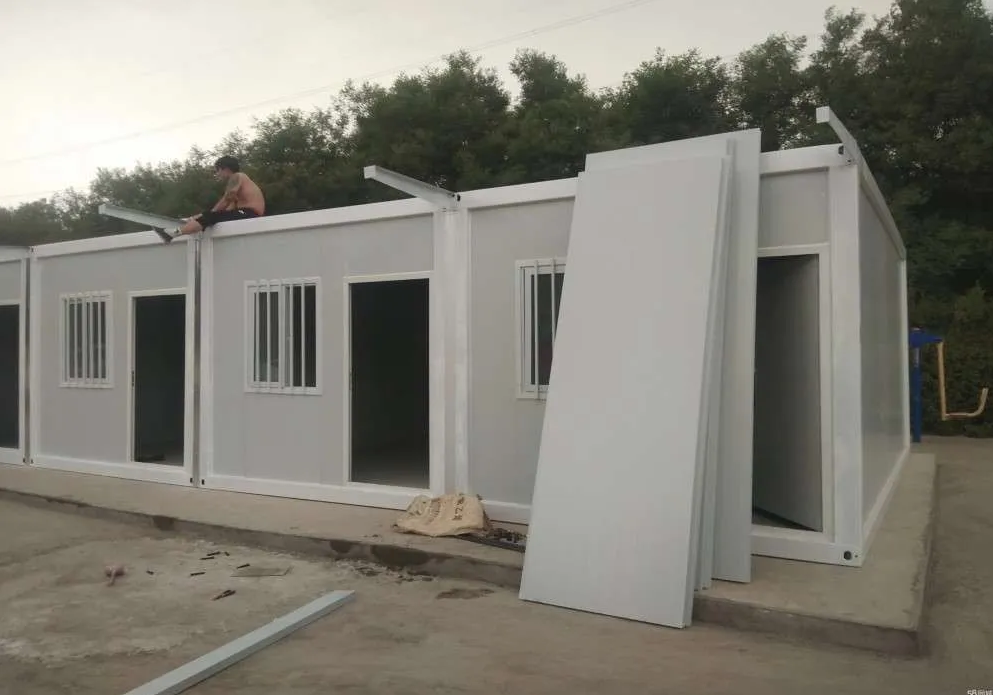
Alternatives for multi-storey needs
RECOMMEND PRODUCTS
 Container Shop
 Modular ConstructionModular construction is an efficient, green, and flexible way of building by dividing a building into modules, with most of the construction done in a factory and then transported to the site for assembly.
 Modular Detachable 20Ft Portable Office Mobile Outdoor Tiny Container HouseA container house is a unique and innovative housing option that is made from repurposed shipping containers. These containers are typically 20ft or 40ft in length and can be customized to meet a variety of needs and preferences.
A typical container home consists of one or more containers that have been modified to include windows, doors, insulation, and other features that make them suitable for living. These modifications can be done off-site and then transported to the location where the home will be assembled. Double Wing Extension RoomDouble-wing expansion house is also called double-wing folding house, using galvanized high-strength square tube, galvanized angle iron and other light steel materials for the frame, anti-corrosion double-sided color steel composite panels for the wall, between the frame using high-strength hinges for linking up the house after scientific calculations, able to quickly expand the space of the house. Expanded house space is nearly 3 times larger than before unfolding. We can make 20 feet, 40 feet expansion house, also can be customized according to customer needs. It is a kind of house with high technical content among the living container houses.
 Site general movable board houseMovable board house is a kind of environmental protection and economic movable board house with color steel plate as the skeleton, sandwich plate as the enclosure material, space combination with standard modulus series, bolt connection of components, a new concept.